
Rajouri-Poonch Power Restoration Slow Eight Days Post-Floods
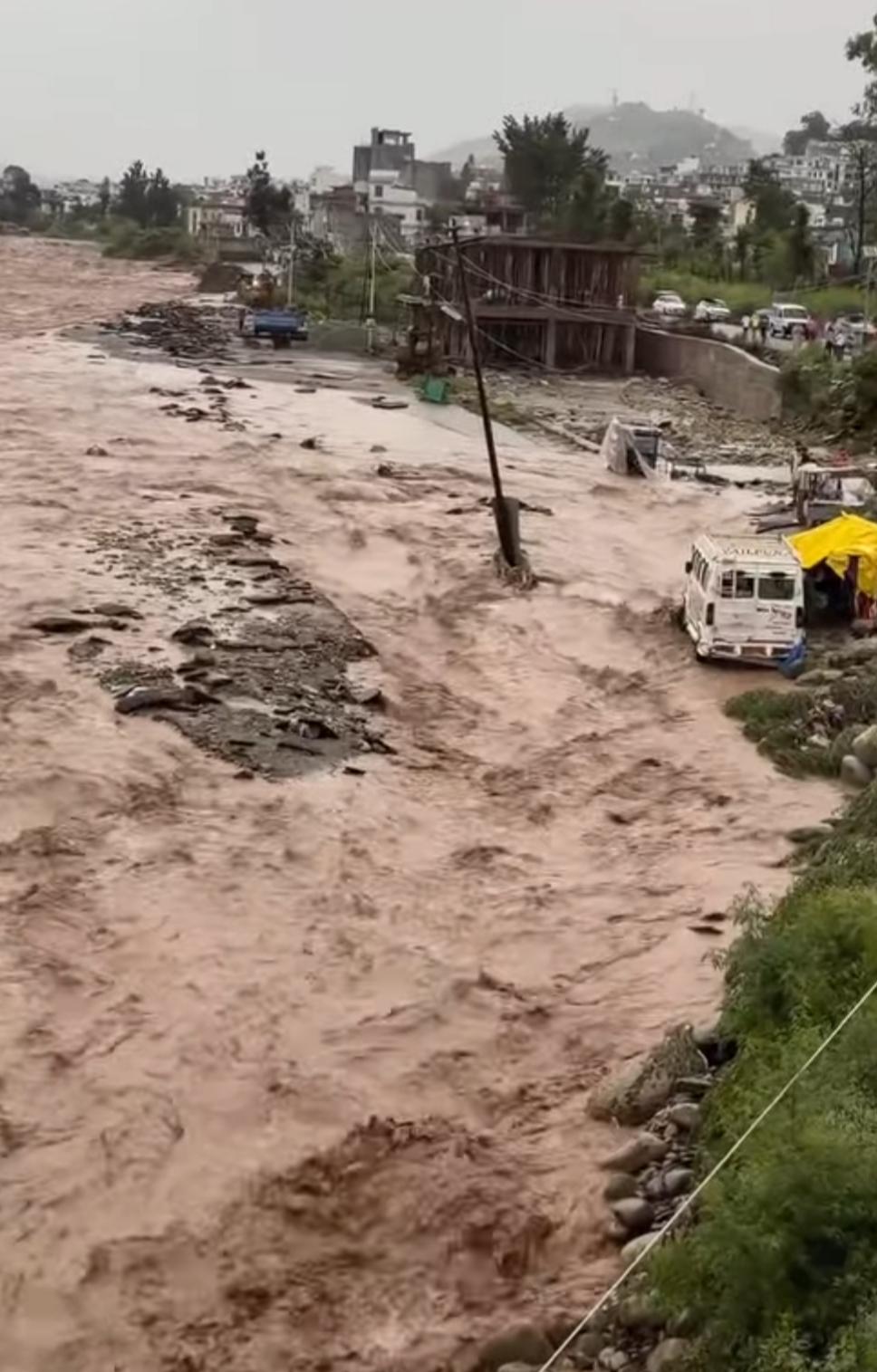
Jammu and Kashmir continues to grapple with the aftermath of devastating flash floods and landslides that struck the districts of Rajouri and Poonch eight days ago. The natural calamity, which occurred prior to Sunday, July 26, 2026, has left a trail of destruction, severely damaging critical power and drinking water infrastructure across the region. A tragic toll of at least 26 lives has been reported due to this widespread disaster, underscoring the severe impact on local communities.
MD JPDCL Reviews Damaged Infrastructure
In response to the ongoing crisis, Gurpal Singh, Managing Director of the Jammu Power Development Corporation Limited (JPDCL), undertook an extensive visit to the worst-hit areas on Sunday, July 26, 2026. His mission was to personally assess the progress of restoration works and issue urgent directives to officials to accelerate the revival of electricity supply. The MD’s visit covered numerous flood-affected locations throughout both Rajouri and Poonch districts, where the sheer force of the floods had washed away roads and eroded the foundations of electricity poles, presenting significant challenges to restoration teams.
During his comprehensive tour, Mr. Singh meticulously inspected the ongoing efforts to restore the damaged power distribution network. In Rajouri district, his inspection points included Muradpur, Salani, Bela, Fatehpur, and Saj. JPDCL teams have been working tirelessly in these areas, contending with the extensive damage caused by the recent flash floods and incessant rains. The Managing Director’s presence on the ground served to motivate the teams and provide direct oversight of the complex restoration operations.
Prioritising Essential Drinking Water Schemes
A significant focus of the MD’s review was the restoration of power supply to essential Public Health Engineering (PHE) installations. Mr. Singh specifically reviewed the efforts to energise critical drinking water schemes such as Sangam, Nabbah, New Bela, ITI, and Old Bela in Rajouri. He stressed that ensuring uninterrupted power to these drinking water supply schemes remains an absolute top priority, recognising their vital role in public health and daily life.
The situation in Poonch district also received direct attention from the JPDCL head. He visited Sanai, Dhundak, Lassana, Marhote, Lathung Bridge, Surankote Town, and Potha to evaluate the progress of restoration efforts there. Particular concern was given to the severely affected Mohra Bachhai area, which experienced heavy downpours and considerable damage. The MD directed officers to maintain restoration work on a war footing, emphasizing the need for sustained, intensive efforts until a sense of normalcy is fully restored across all affected areas.
Ongoing Challenges and Call for Expedited Action
Despite the dedicated efforts of JPDCL teams and the direct intervention of the Managing Director, full power restoration remains an awaited reality for many parts of Rajouri and Poonch, eight days after the initial flash floods. The scale of the damage to infrastructure, including roads and power poles, presents considerable logistical hurdles. The directive for an expeditious and war-footing approach highlights the urgency of the situation, as communities continue to live with disrupted essential services. The commitment from JPDCL is clear: to ensure all affected areas regain stable electricity supply, with a particular emphasis on critical public utility services.
