
Top 10 Religious Places in Jammu You Must Visit
Top 10 Religious Places in Jammu You Must Visit- Jammu is not just a city. It Is often called the “City of Temples”. Because of its deep devotional culture and rich tapestry of religious sites that draw devotees from all over India and beyond. From ancient cave shrines to sprawling temple complexes and lesser-known sacred spots, Jammu’s spiritual landscape is as diverse as it is profound.
In this guide, we will walk you through the most revered temples ( the history behind them ), local traditions and tips for visiting each place. Everything you need to rank high and satisfy your readers’ intent.
If you’re planning to explore the city fully, start with this complete guide to Jammu places to understand how temples, heritage sites, and natural spots fit together.
Why These Religious Places in Jammu Are Considered Spiritually Powerful ?
Jammu is often called the City of Temples, but its spiritual power goes far beyond names and architecture. The religious places in Jammu are considered spiritually powerful because many of them are linked to ancient legends, intense devotion, and centuries-old rituals that are still practiced today.
From the sacred caves of Vaishno Devi to riverside temples and historic shrines, these sites are believed to be places where faith, energy, and belief come together.
Locals often say that prayers here feel “heard faster,” not because of miracles alone, but because of the deep collective faith built over generations.
Whether it’s the calm silence inside a hilltop temple or the powerful chants during aarti, these religious places in Jammu create a spiritual atmosphere that leaves visitors feeling peaceful, grounded, and spiritually connected.
Religious Places in Jammu to Visit
Famous Religious Places in Jammu
Major religious places in Jammu include:
- Mata Vaishno Devi Temple (Katra)
- Raghunath Temple
- Bahu Fort & Bave Wali Mata Temple
- Peer Kho Cave Temple
- Ranbireshwar Temple
- Panchbakhtar Mahadev Temple
Below is a detailed explanation of each religious place, including history, significance, and visiting tips.
1. Mata Vaishno Devi Temple (Katra)

Location: Trikuta Mountains, Katra
Significance: One of India’s most visited pilgrimage sites
Why It’s Famous:
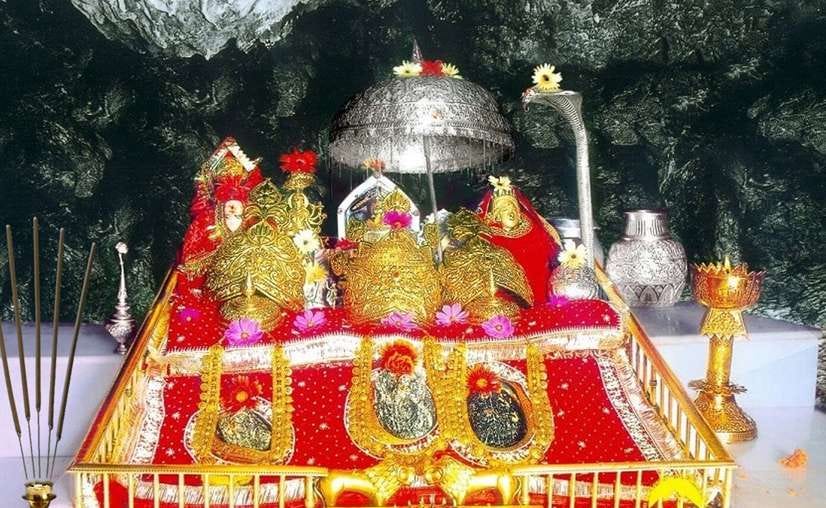
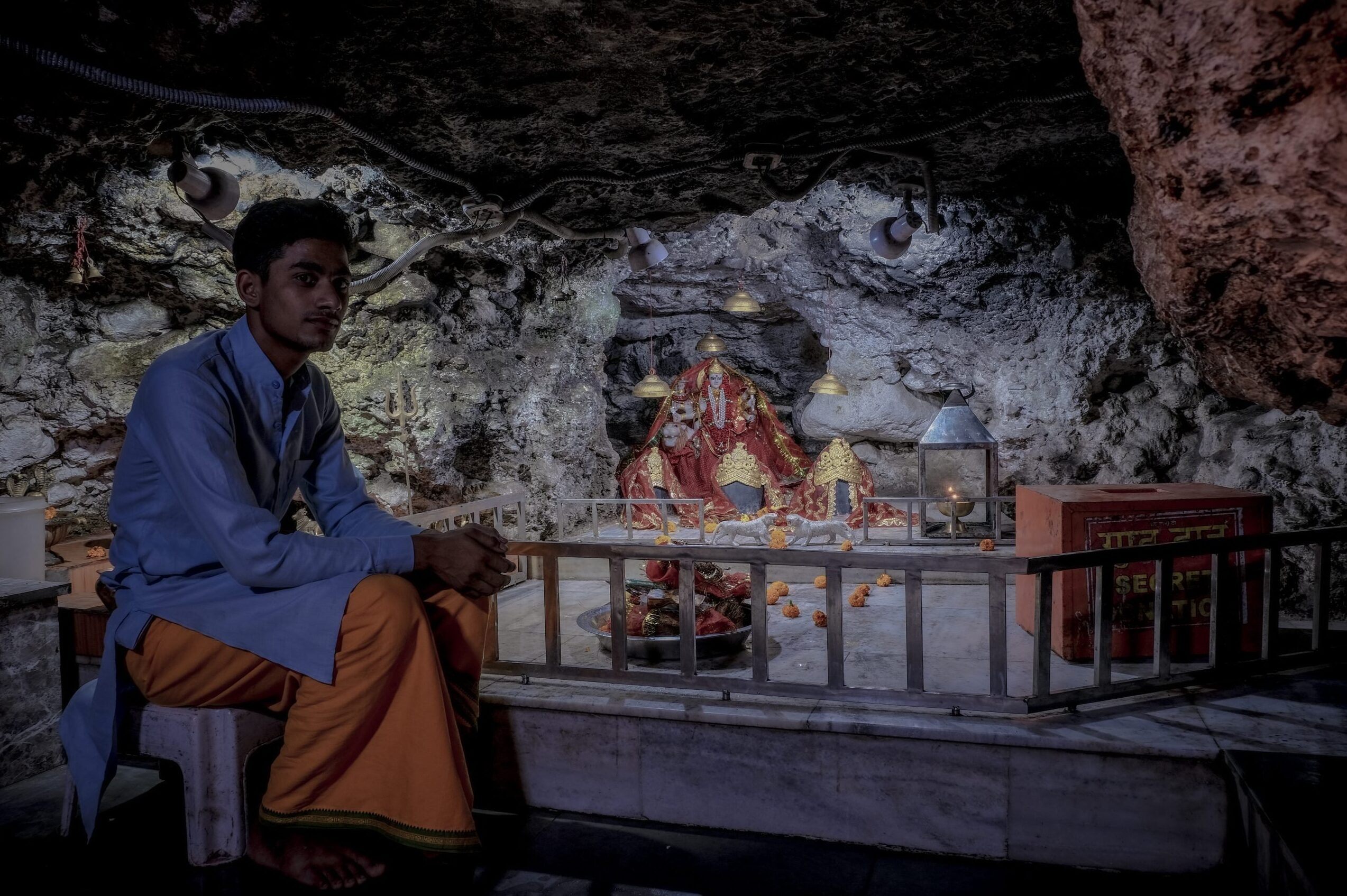
Mata Vaishno Devi is one of the most visited Hindu pilgrimage destinations in India—devotees believe the goddess fulfills heartfelt wishes and grants divine blessings. The shrine is located in the Trikuta Hills near Katra, about ~50 km from Jammu.
You Must Know :
- Natural rock formation with three divine manifestations (Pindis)
- The holy cave is believed to be discovered by Pandit Shridhar around 700 years ago
- Helicopter services and pony rides available for accessibility
The Yatra (Pilgrimage):
The trek to the cave shrine from Katra is roughly 13 km long. Devotees can walk, ride on horses, take palanquins, or opt for helicopter service to reach the cave.
Inside the cave are three natural rock formations (pindies) symbolizing Maha Saraswati, Maha Lakshmi, and Maha Kali, representing divine energies.
Best Time to Visit:
March–June and August–November are generally considered ideal. Monsoon and deep winter can make trekking difficult.
Tips for Visitors:
- Start early in the morning to avoid crowd peaks.
- Follow Shrine Board rules (RFID card, time limits).
- Carry warm clothes if visiting in winter.
Visit Shrine Website for more information
2. Shri Raghunathji Temple (Jammu City)


Location: Downtown Jammu
Significance: Largest temple complex in North India
Overview:
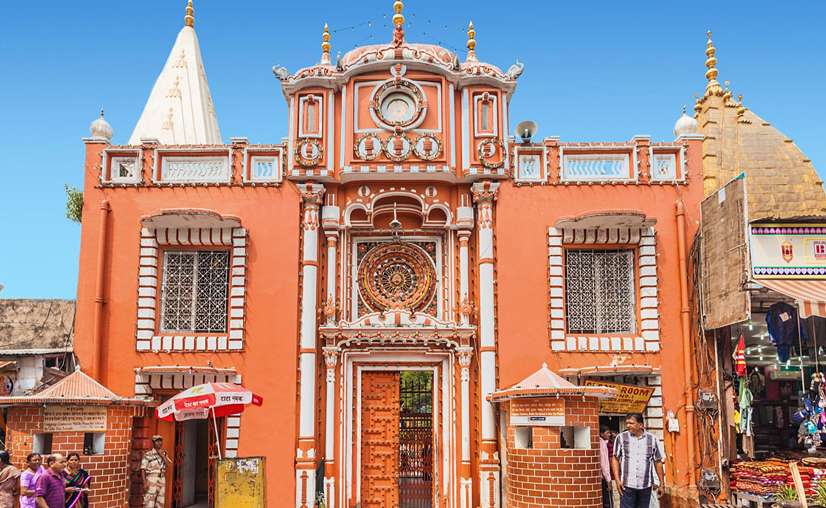
Located in the heart of Jammu’s bustling Raghunath Bazaar, Raghunathji Temple is one of the largest temple complexes in Northern India.
History & Significance:
Construction began under Maharaja Gulab Singh and was completed by Maharaja Ranbir Singh in the 19th century. It’s dedicated primarily to Lord Rama, with idols of Sita and Lakshman in the main sanctum.
The inner walls are covered with gold sheets, and there are numerous shrines within the complex dedicated to various Hindu deities, symbolizing the breadth of Hindu worship.
Key Highlights:
- Intricately carved walls and panels depicting mythological scenes
- Rare collection of ancient manuscripts in the temple library
- Central shrine crowned with a gold-plated spire
Cultural Impact:
Locals believe deep devotion here brings peace of mind and blessings for family welfare. Many attend daily aarti and chantings.
This temple is one of the “historical temples in Jammu” . It is the best “Jammu sightseeing temples.”
Many temples in Jammu are located near royal palaces and heritage sites. Explore them in our guide to Historical & Cultural Places in Jammu.
3. Peer Kho Shrine (Cave Temple)

Location: Nehru Park, Jammu
Significance: Ancient cave temple with mythological connections
Unique Spiritual Vibe:
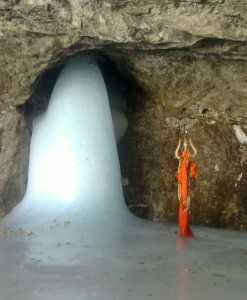
Located near Circular Road on the banks of the Tawi River, Peer Kho Temple is an ancient cave shrine where a naturally occurring Shivlinga is believed to reside.
Myth & Legend:
Devotees often visit during Shivratri and other auspicious days. The cave’s compressed, low-arched pathway and sacred atmosphere make it a distinctive site different from the large temple complexes.
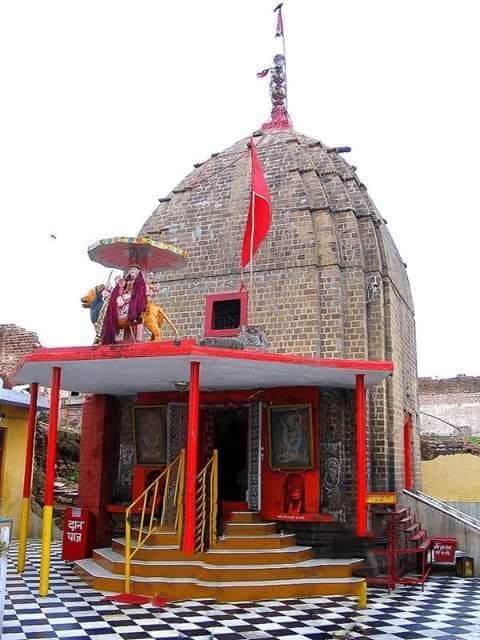
4. Bahu Fort & Bave Wali Mata Temple


Location: Left bank of Tawi River
Significance: Believed to be over 3,000 years old
Historic & Sacred:
Originally built by Raja Bahu Lochan (legend holds over 3000 years ago), Bahu Fort has become a spiritual hub centered around the Bave Wali Mata (Goddess Kali) Temple inside its grounds.
Temple Highlights:
The goddess here is considered the presiding deity of Jammu, and devotees throng especially on Tuesdays and Sundays.
Plan Your Visit:
The fort also offers panoramic views of the Tawi River and city skyline. Surrounding terraces have gardens attracting visitors for both devotion and leisure.
5. Ram Talai Temples
Location: Ram Talai Temple Road, Gorkha Nagar, Jammu City.
Significance: A historic temple featuring twin Shivalingas representing Lav and Kush, built at the sacred pond where Mother Sita is said to have bathed her newborn twins.
Steeped in the lore of the Ramayana, the Ram Talai Temple is a living chapter of the epic, uniquely intertwining the narratives of Lord Rama and Lord Shiva. Located in the heart of Jammu city, this ancient complex centers around a sacred stepped tank (talai), believed to be the very pond where Mother Sita performed the first ablutions for her newborn twin sons, Lav and Kush.
Why It’s Unique:
The temple’s sanctum houses two identical, side-by-side Shivalingas, a rare and powerful representation of the divine twins. This architectural anomaly makes it a significant site for both Shaivites and devotees of Rama. The serene, ancient water tank adds an archaeological and meditative dimension to the spiritual experience.
Visitor Tip: Visit during the early morning aarti for a tranquil experience. The temple is especially vibrant during Maha Shivratri and Ram Navami. Combine your visit with other nearby city landmarks like the Raghunath Temple complex.
om namah shivay
6. Ranbireshwar Temple (Shiva Temple)
Location: Shalimar Road, Jammu
Significance: Houses twelve crystal Shiva Lingams
One of the most revered Shiva temples in Jammu, Ranbireshwar houses a massive crystal Shiva lingam as well as numerous smaller lingams. The temple’s spiritual energy draws devotees year-round, particularly during Mahashivratri.
Built by Maharaja Ranbir Singh in 1883, this temple is renowned for its collection of Saligram and Crystal Lingams, including one central Lingam measuring 7.5 feet tall. The temple’s ornate courtyard and detailed carvings showcase Dogra craftsmanship at its finest.
Architectural Note: The temple’s design follows classic Nagara style with a pyramidal spire and intricately sculpted walls.
7. Panchvaktar (Panchbakhtar) Mahadev Temple
Location: Panchvaktar Road, near Gumat, Jammu City, Jammu & Kashmir.
Significance: One of Jammu’s oldest and most revered Shiva temples, housing a unique, self-manifested Panchmukhi (five-faced) Shiva Lingam.
Nestled in the bustling heart of Jammu City, the ancient Panchvaktar Shiva Temple is a profound spiritual sanctuary dedicated to Lord Shiva in his five-faced (Panchmukhi) form. This form represents the five primary aspects of Shiva—Sadyojata, Vamadeva, Aghora, Tatpurusha, and Ishana—each governing a different element and dimension of the universe.
Why It’s Unique:
The temple’s central deity is a revered Svayambhu (self-manifested) Lingam, believed to have appeared naturally. This five-faced iconography is rare and holds immense theological significance in Shaivism, symbolizing the omnipresence and multifaceted powers of the deity. The temple’s ancient stone architecture, with its distinctive pyramidal spire (shikhara), exudes a powerful, timeless aura.
Visitor Tip: The temple is a major focal point during the grand celebrations of Maha Shivratri and the holy month of Shravan, attracting thousands of devotees. For a quieter experience, visit during weekday mornings. Modest dress is appreciated.
This ancient Shiva shrine is known for its self-manifested lingam and deep spiritual history. Some lore links it to saints like Adi Shankaracharya, and historically it provided camp points for sadhus on the way to Amarnath.
8. Shrines of Other Faiths (Secular Harmony)
Jammu’s spiritual fabric isn’t solely Hindu. The Jama Masjid in Talab Khatikan is one of the oldest and largest mosques in the region, with a strong Friday congregation. Meanwhile, Peer Budhan Ali Shah Sahib Shrine in Satwari draws multi-faith devotees every Thursday.
This mix reflects the interfaith harmony of the region and showcases Jammu’s diverse devotional landscape.
9. Dargah of Peer Budhan Ali Shah
Location: Jammu Airport Road
Significance: Sufi shrine revered by all faiths
This 16th-century Dargah exemplifies Jammu’s syncretic culture. Peer Budhan Ali Shah, believed to have lived on only milk for centuries, is revered by Hindus, Muslims, and Sikhs alike. The nearby Gurudwara Guru Nanak Dev Ji in Chand Nagar further highlights Jammu’s religious diversity.
Cultural Context: The shrine represents the inclusive spiritual fabric where Jammu’s diverse communities worship together.
10. Shiv Khori: The Mystical Cave of Shiva
Location: Ransoo, 120 km from Jammu
Significance: Natural cave shrine with a self-formed Shiva Lingam
Often called the “Amarnath of Jammu,” Shiv Khori features a 4-foot naturally formed Shiva Lingam that continuously drips water. The 150-meter-long cave symbolizes the cosmic journey, with various formations representing Hindu deities.
Pilgrimage Details:
- Combine with nearby attractions like the Mahakali Temple
- Well-organized facilities managed by the Shiv Khori Shrine Board
- Special winter pilgrimages arranged during Shivratri
Additional Religious Places in Jammu (Lesser-Known)
🛕 Hindu Temples
- Aap Shambhu Temple, Akhnoor
- Krimchi Temples (Ancient Pandava-era temples)
- Sudh Mahadev Temple
- Gupt Ganga Temple
- Devak Mai Temple
- Jyeshtheshwar Temple
- Panchvaktar Temple
- Mahamaya Temple, Bahu
- Peer Baba Sidh Goria Temple
- Kalka Mata Temple, Sunjwan
- Baba Sidh Goria Nath Temple
🕌 Muslim Religious Sites / Dargahs
- Shah Asrar-ud-Din Shrine
- Dargah Baba Jiwan Shah
- Dargah Sharif, Jammu City
- Pir Mitha Shrine
- Bawa Jitto Dargah
- Shahdara Sharief (near Jammu region)
🕍 Sikh Religious Places
- Gurudwara Sahib Akhnoor
- Gurudwara Singh Sabha, Jammu
- Gurudwara Baba Banda Bahadur
- Gurudwara Talab Tillo
- Gurudwara Guru Nanak Dev Ji, Jammu
⛪ Christian Religious Places
- Holy Family Catholic Church
- St. Peter’s Church, Jammu
- Christ Church, Jammu Cantonment
🕉️ Spiritual & Sacred Natural Sites
- Ancient Shivling Sites along Tawi River
- Sidhra Hill Temples
- Dev Sthan, Nagrota
- Sacred Springs near Peerkho
- Ancient Shivling Sites along Tawi River
Tips for Visiting Religious Places in Jammu
🛕 Planning Your Trip
- Dress respectfully (especially in temples and shrines).
- Footwear is usually removed before entering temple precincts.
- Check local timings since smaller shrines sometimes close mid-day.
🕉 Best Times
- Early morning and evening aarti times are most spiritually charged.
- Festive seasons like Navratri or Mahashivratri bring large crowds; book accommodations early.
How to Visit Jammu ?
Reaching Jammu’s revered religious sites is a straightforward and scenic experience, thanks to the city’s excellent connectivity and well-established transport network. Whether you are arriving from across the country or navigating within the city, a range of convenient options are available.
Arriving in Jammu: The Gateway
- By Air: Jammu’s Satwari Airport (IXJ) is well-connected to major Indian cities like Delhi, Mumbai, Srinagar, and Leh. From the airport, you can hire prepaid or private taxis, or use app-based cab services to reach your accommodation or directly proceed to any shrine in the city, which are typically a 30-60 minute drive away.
- By Train: Jammu Tawi Railway Station (JAT) is one of the major railheads in North India, with frequent trains from Delhi, Kolkata, Mumbai, Chennai, and other parts of the country. The station is centrally located, and you will find a fleet of auto-rickshaws, taxis, and cycle-rickshaws readily available to take you to any religious site.
- By Road: Jammu is seamlessly linked by the National Highway network. Excellent road connectivity allows for comfortable bus journeys (both state-run and private Volvo buses) from Delhi, Chandigarh, Amritsar, and other neighbouring states. The main bus stand offers local transport for the final leg of your journey.
Navigating to the Shrines: Local Transport
Once in Jammu, reaching the specific places of worship is hassle-free:
- App-Based Cabs & Taxis: Services like Ola, Uber, and local taxi operators are the most convenient and comfortable way to travel directly to any temple or gurudwara. They are ideal for families and groups.
- Auto-rickshaws: Widely available and economical, auto-rickshaws are perfect for shorter distances. It is advisable to agree on the fare before starting your journey.
- Local Buses: The Jammu and Kashmir Road Transport Corporation (JKRTC) and private operators run local bus services that connect major hubs to areas near the shrines, like the Raghunath Temple complex or the base of the Mata Vaishno Devi cable car. It’s a budget-friendly option.
- Special Pilgrim Services: For shrines like Mata Vaishno Devi, the journey is a dedicated pilgrimage. From Jammu, you proceed to the base town of Katra (about 50 km, 1.5 hours by taxi/bus). From Katra, the ascent can be made on foot, by pony, palanquin, or via the recently introduced electric rickshaws on the paved track. The Shiv Khori cave shrine, located in the Reasi district, is also accessible by hiring vehicles from Jammu or Katra.
Travel Tip: For the popular Vaishno Devi Yatra, it’s recommended to book your travel and accommodation in Katra in advance, especially during peak pilgrimage seasons and festivals. For intra-city travel, starting your day early allows you to visit temples in the pleasant morning hours and avoid the larger crowds.
The journey to Jammu’s spiritual abodes is designed to be accessible to all, ensuring that your focus remains on devotion and the profound experiences that await.
Frequently Asked Questions
Conclusion-
Jammu’s spiritual scene isn’t just a list of temples—it’s a living tradition where every shrine, big or small, carries centuries of devotion and local stories. From the grand corridors of Raghunathji to the serene cave sanctum of Peer Kho, each religious place adds a unique chapter to Jammu’s sacred identity.
Jammu is more than a destination; it’s a spiritual awakening waiting to happen. From the thunderous chants echoing through the Trikuta mountains to the silent, ancient whispers of a sacred pond in the city’s heart, every temple tells a story older than time. You’ve walked with us through the celestial cave of Vaishno Devi, marveled at the gold of Raghunath, traced the Ramayana at Ram Talai, and witnessed the five faces of the divine at Panchvaktar.
This isn’t just a list of places—it’s a map to moments of profound peace, breathtaking architecture, and living faith. Whether you seek the ultimate pilgrimage, a deep dive into history, or simply a soulful escape, Jammu’s sacred doors are open.
Your next step is simple. Choose your first temple, pack your faith, and set forth. An experience that will linger in your heart long after you’ve left its soil is calling. Your journey to the divine begins the moment you decide to go.
👉 Also explore:
– Top List of 105 Places to Visit in Jammu
– Hidden places in Jammu
– Best places near Jammu for one-day trips
– Famous food places in Jammu
Comment